-
You have no items in your shopping cart.
- Register
- Log in
- Wishlist
- Shopping cart

Pure Sine Wave UPS Inverter
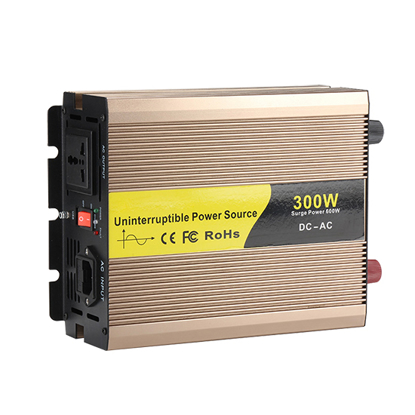
300 Watt Pure Sine Wave UPS Inverter
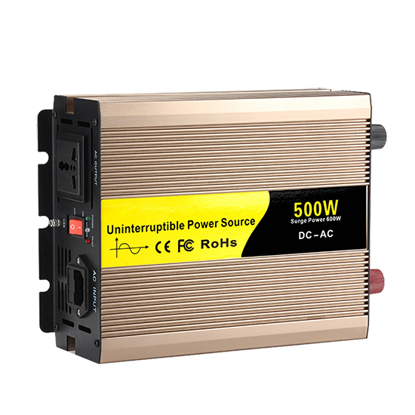
500 Watt Pure Sine Wave UPS Inverter
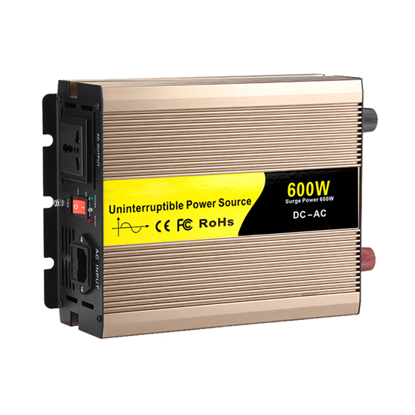
600 Watt Pure Sine Wave UPS Inverter
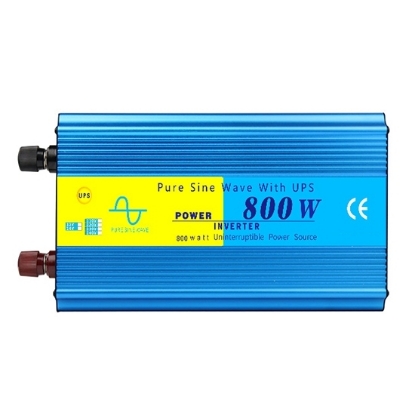
800 Watt Pure Sine Wave UPS Inverter

1000 Watt Pure Sine Wave UPS Inverter

1500 Watt Pure Sine Wave UPS Inverter For Home Backup/ RV/ Off-Grid

2000 Watt Pure Sine Wave UPS Inverter
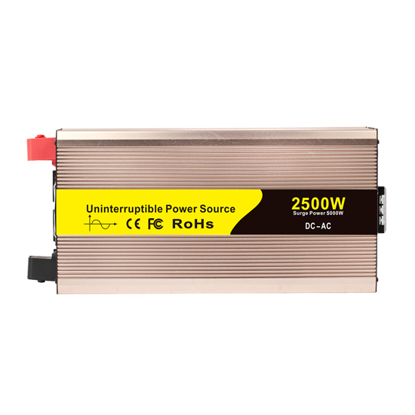
2500 Watt Pure Sine Wave UPS Inverter
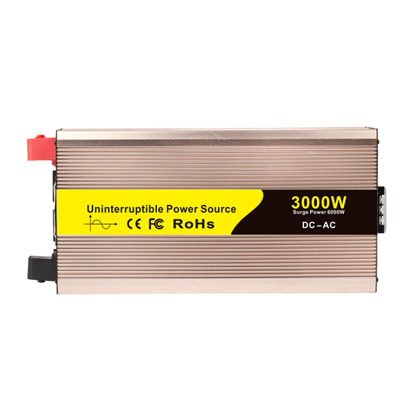
3000 Watt Pure Sine Wave UPS Inverter
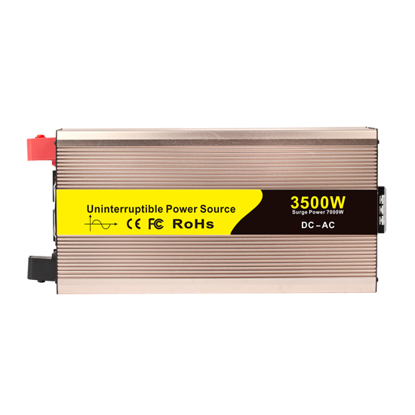
3500 Watt Pure Sine Wave UPS Inverter

5000 Watt Pure Sine Wave UPS Inverter
A Pure Sine Wave UPS Inverter is a power conversion device that combines the functions of a pure sine wave inverter and an uninterruptible power supply (UPS). It converts DC power from a battery or other DC source into clean AC power while providing backup power when the main electricity supply is interrupted.
A typical pure sine wave ups inverter works by automatically switching between grid power and battery power. Under normal conditions, connected equipment can operate from the utility supply while the battery remains charged. When a power failure or voltage interruption occurs, the inverter switches to battery backup power to help maintain a continuous power supply.
In simple terms, a pure sine wave ups power inverter helps keep your equipment running safely and continuously when grid power is unavailable.
The inverter.com offers pure sine wave ups inverters from 300W to 5000W, with different DC input options including 12V and 24V. (If you want 48V, please contact us) These ups power inverters are designed for home backup power, office equipment, computers, networking devices, RVs, emergency power systems, off-grid applications, and other equipment that requires stable AC power.
12V vs. 24V vs. 48V Pure Sine Wave UPS Inverter
The battery voltage should match the ups inverter and the overall power system. In general, 12V systems are convenient for smaller backup systems, while 24V and 48V systems are often preferred for higher-power applications because they require lower DC current for the same output power.
| Voltage Type | 12V UPS Inverter | 24V UPS Inverter | 48V UPS Inverter |
| Battery Voltage | 12V DC Battery System | 24V DC Battery System | 48V DC Battery System |
| Energy Loss | Relatively higher | Lower | Lowest with higher efficiency |
| Recommended Applications | RVs, cars, small solar systems, camping, emergency backup power | Home backup systems, solar energy storage, off-grid cabins, medium-sized appliances | Large solar systems, commercial backup power, high-power off-grid applications |
| Advantages |
1. Widely available batteries with lower system cost 2. Easy installation and maintenance |
1. Lower current and higher efficiency than 12V systems 2. Less heat generation during operation |
1. Lowest current with minimal power loss 2. Highest efficiency for large power systems |
| Disadvantages |
1. Higher cable requirements and energy loss 2. Not ideal for very high-power applications |
1. Slightly less compatible with small devices 2. Installation is more complex than 12V systems |
Requires 48V battery packs or multiple batteries |
| Recommended Users | Beginners | Home and medium energy storage users | Professional and large energy storage users |
Note: If you want 48V, please contact us.
Choose UPS Inverter By Power
Choosing the right ups inverter power is essential for ensuring stable operation of connected devices and maximizing backup runtime. Different power levels are designed for different applications, from small electronic devices and office equipment to household appliances and larger electrical systems. Users should consider the device's rated power and actual energy requirements when selecting a ups inverter. Below categorizes pure sine wave ups inverters by power range and recommended applications, helping you quickly find the ideal solution for your backup power needs.
- 300W~600W: Phone charger, laptop, tablet, WiFi router, LED light, small fan, security camera
- 800W~1000W: Mini refrigerator, small TV, printer, projector, small kitchen appliance, audio equipment
- 1500W~2000W: Refrigerator, rice cooker, coffee maker, power drill, small air conditioner, small washing machine
- 2500W~3000W: Microwave, electric kettle, larger refrigerator, washing machine, power tool
- 3500W~5000W: Multiple household appliances, air conditioner, heavy-duty tool
Frequently Asked Questions About UPS Power Inverter
Q1: What certifications does the inverter.com pure sine wave UPS inverter have?
The Inverter.com Pure Sine Wave UPS Inverter is designed to meet international safety and quality requirements. Available certifications and compliance standards may include CE, FCC, UKCA, ETL, RCM, and CB.
Q2: How does a pure sine wave UPS inverter work?
A pure sine wave UPS inverter is a device that converts DC power from a battery into stable AC power with a smooth sine wave output. It works by using advanced inverter technology to regulate voltage, frequency, and waveform, ensuring reliable power for sensitive electronic devices. When the grid power fails, the UPS function automatically switches to battery backup mode, providing continuous and uninterrupted electricity. The pure sine wave output is designed to reduce electrical noise, improve efficiency, and protect equipment such as computers, medical devices, communication systems, and home appliances from power fluctuations.
Q3: What is the difference between a UPS inverter and a regular inverter?
A ups inverter and a regular inverter both convert DC power from batteries into AC power for electrical devices, but the key difference is power backup speed and protection capability. A ups inverter is designed to provide an uninterrupted power supply with automatic switching, meaning it can quickly transfer to battery power when the grid fails, helping protect sensitive equipment. A regular inverter mainly focuses on DC-to-AC power conversion. In simple terms, a UPS inverter provides instant backup power and better equipment protection, while a regular inverter provides reliable power conversion for everyday electrical needs. Choosing the right inverter depends on your application, backup requirements, and connected devices.
Q4: What size UPS inverter do I need for home appliances?
Choosing the right ups inverter size depends on your total power requirements and the type of home appliances you want to run. As a general rule, calculate the combined wattage of your devices and choose an inverter with 20–30% extra capacity for reliable performance. For example, a 300W ups power inverter can support LED lights, a 500W model can power a router and small devices, a 1500W ups inverter can support a TV and computer, and a 2000W ups inverter can handle larger home appliances. The right UPS inverter helps provide stable backup power, protect sensitive devices, and keep essential appliances running during outages.
Q5: What are the advantages of using UPS inverter in an RV?
Pure sine wave ups inverter provides stable, clean, and reliable power for RV living. It delivers electricity similar to the grid, making it ideal for sensitive RV appliances such as refrigerators, microwaves, air conditioners, TVs, and laptops. It reduces electrical noise, improves appliance efficiency, and helps extend equipment lifespan. The UPS function ensures uninterrupted power switching, keeping essential devices running during camping trips, road travel, or unexpected power outages. For RV owners seeking a comfortable, safe, and off-grid lifestyle, a pure sine wave UPS inverter is a dependable power solution.
