
In today's modern households, electricity is no longer a luxury—it is a necessity. From sensitive electronics to essential appliances, our daily lives depend on a stable and reliable power supply. However, power outages, voltage fluctuations, and off-grid living situations make it crucial to have a dependable backup solution. At Inverter.com, we specialize in providing high-quality inverters, and our range of pure sine wave inverters ensures that your home remains powered safely and efficiently. In this comprehensive guide, we will explore what a pure sine wave power inverter is, why it matters, and how to choose a right one.
What Is a Pure Sine Wave Inverter?
A true sine wave inverter is a device that converts direct current (DC) power—typically from batteries or solar panels—into alternating current (AC) power that mimics the smooth waveform supplied by the utility grid.
Key Characteristics:
- Produces clean, stable, and consistent electricity
- Matches utility-grade power output
- Ideal for sensitive and high-performance devices
Unlike modified sine wave inverters, pure sine wave models deliver high-quality power without distortion, making them the preferred choice for modern homes.
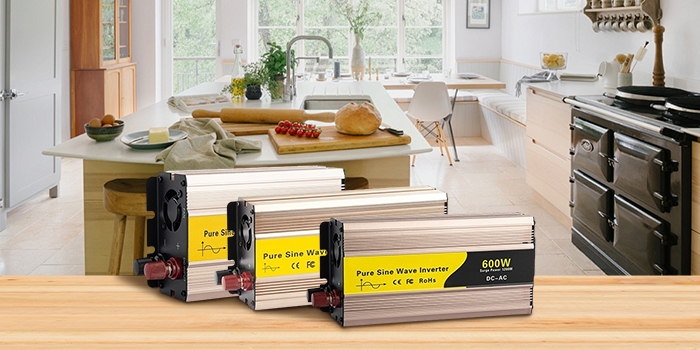
Why Do You Need?
1. Protects Sensitive Electronics
Modern homes are filled with advanced electronic devices such as laptops, televisions, Wi-Fi routers, and even medical equipment. These devices are highly sensitive to fluctuations in power quality. A pure sine wave inverter provides clean, stable, and consistent electricity that closely mimics utility grid power. This smooth waveform helps prevent overheating, system crashes, and long-term internal damage.
2. Ensures Quiet and Efficient Operation
Many household appliances, including refrigerators, fans, and microwaves, rely on consistent power to operate efficiently. When powered by a modified sine wave inverter, these appliances may produce annoying buzzing sounds or operate less efficiently. A pure sine wave power inverter eliminates these issues by delivering smooth power output. This allows appliances to run quietly and perform at their designed efficiency levels.
3. Essential for Reliable Backup Power
Power outages can happen unexpectedly, and having a dependable backup system is critical for maintaining comfort and safety at home. A pure sine wave inverter ensures that essential devices continue running smoothly during outages. This includes lighting systems, communication devices, and medical equipment such as CPAP machines. Unlike lower-quality alternatives, it guarantees uninterrupted and safe operation.
4. Improves Energy Efficiency
One of the biggest advantages of a pure sine wave inverter is its ability to improve overall energy efficiency. Because the output waveform closely matches standard grid electricity, appliances consume power more effectively. This results in less energy waste, longer battery life, and reduced operating costs—especially when paired with solar power systems.
5. Wide Compatibility with Household Devices
Not all appliances are designed to work with modified sine wave power. Devices with motors, compressors, or digital timers—such as washing machines, coffee makers, and certain power tools—may malfunction or fail to operate properly. A pure sine inverter ensures maximum compatibility with nearly all household electronics, making it a versatile and future-proof solution.
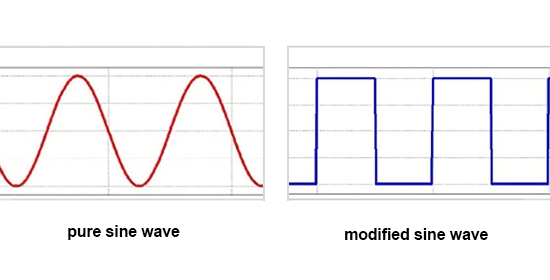
Pure Sine Wave vs Modified Sine Wave: Key Differences
| Type | Pure Sine Wave Inverter | Modified Sine Wave Inverter |
| Power Quality | Smooth, clean | Rough, stepped |
| Device Compatibility | Nearly compatible | Limited |
| Efficiency | High (about 90%) | Moderate |
| Noise | Silent | Audible humming |
| Cost | Higher upfront | Lower upfront |
| Long-term Value | Excellent | Limited |
How to Choose the Right Pure Sine Wave Inverter?
Choosing the right pure sine inverter is essential for ensuring stable power, protecting sensitive electronics, and improving overall energy efficiency. With many options available, understanding key factors can help you make a smart and reliable decision.
- Determine Your Power Requirements. Start by calculating the total wattage of the devices you plan to run. Add up both continuous power and surge power needs. Appliances like refrigerators or power tools often require higher startup watts. Pro tip: Always choose an inverter with 20–30% higher capacity than your total load for safety and performance.
- Choose the Correct Input Voltage. Pure sine wave inverters typically come in 12V, 24V, or 48V systems. 12V: Ideal for small setups like cars, RVs, or small solar systems. 24V / 48V: Better for larger home or off-grid systems. Matching the inverter voltage with your battery system ensures efficient energy conversion and longer battery life.
- Check Output Waveform Quality. A true pure sine wave power inverter delivers clean, stable power similar to utility electricity. This is crucial for running sensitive electronics such as laptops, TVs, medical equipment, and audio devices without noise or damage.
- Look for High Efficiency and Safety Features. Efficiency matters. A high-quality inverter should offer 90% or higher efficiency, reducing energy loss. Also, prioritize built-in protections like: Overload protection, over-temperature shutdown, short-circuit protection, low/over-voltage protection. These features ensure long-term reliability and user safety.
- Consider Installation and Portability. Think about where and how you will use the inverter. For home backup: Choose a fixed, high-capacity model; For travel or outdoor use: Go for a compact and portable design. Ease of installation and user-friendly interfaces can also improve your experience.
- Evaluate Brand Reputation and Warranty. Reliable brands often provide better build quality, customer support, and warranties. Look for at least a 1~2 year warranty and positive user reviews for peace of mind.
FAQ:
Q1: Can I use a true sine wave inverter for all home appliances?
Yes, it is compatible with almost all household devices.
Q2: Is a pure sine inverter better for solar systems?
Absolutely. It ensures efficient and stable energy conversion.
Q3: Does it save electricity?
Yes, it improves efficiency and reduces energy waste.
Conclusion:
From protecting sensitive electronics to ensuring efficient appliance operation and providing reliable backup power, its benefits are undeniable. Whether you are building a solar energy system, preparing for emergencies, or simply upgrading your home’s power infrastructure, investing in a pure sine wave inverter is a smart and practical decision. It offers peace of mind, improved performance, and long-term savings, making it an essential component of any modern household.
